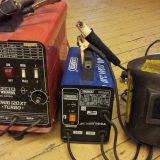
Health Hazards of working as a Welder
Welding, cutting, and brazing are hazardous actions that present a distinctive combination of both safety and health dangers to more than 500,000 workers in a wide variety of industries. In Line With the Occupational Safety and Health Administration, the threat from fatal injuries is more than four fatalities per thousand workers over a working life.
Protecting the worker when performing welding operations depends on comprehension of the dangers involved and also the right method to control them. Control of welding risks includes averting eye injuries, respiratory protection, ventilation of the work area, protective clothing, and having safe equipment to utilize.
There are a couple categories of welding hazards. The first we will go over are health hazards.
One of the largest hazards to welders respiratory damage.
Smoke from welding can be different parts of really fine particles and gases. Most of the materials in welding smoke, such as carbon monoxide and lead, can be incredibly hazardous. Normally welding fumes and gases can come from coatings or paints left in the metals as well as chemical reactions involving the metals being joined. Because fumes may include a variety of materials which have been identified to be dangerous, the side effects of welding exposures are hard to list. Exposure to welding smoke may have short term and long term effects.
In addition to health hazards, welding may also pose several safety hazards. Although most welding uses low electrical currents there is still a risk of electric shock. The environmental conditions of the welder may make the odds of a jolt greater. Falls and other injuries may result from even a tiny shock; brain damage and death can result from a considerable shock.
Welding can generate heat and sparks, which can result in explosions and fires if combustible or flammable substances are nearby. Never try to weld and objects which have contained a flammable or explosive substance until it has been properly and thoroughly cleaned.
As dangerous as it may sound, welding can be made safe for everyone using the proper measures taken to reduce risks. Before beginning a weld, it is important to recognize the risks for that particular welding operation. The perils are determined by the kind of welding, the environmental conditions, as well as the substances to be welded.
Personal protective equipment should always be used in addition to implementing procedures and plans into work practices.
Eye protection ought to be used for all welding procedures to shield eyes from bright light, heat, and flying sparks. To find the best protection you should wear goggles, welding hoods, or specialized helmets. Protective garments should be made from wool, which does not ignite readily, or specially treated cotton fabrics. Collars and sleeves should be kept buttoned, and shirts and trousers should be uncuffed.


All welders should receive training in the safe use of work practices and processes, equipment, and emergency procedures. We hope that we have been able to demonstrate to you the dangers included with welding and how to properly identify them so that you may protect yourself and others.
Lincoln Electric offers a wide range of Welding gear
You can download the 2014 catalog here: